Thursday, 8 August 2013

Sticky Rum & Pineapple Chops


The original recipe I saw for this called for kasundi - a Bengali mustard relish. I debated making some of my own - as I was clearly unlikey to find it in the local supermarkets (until I saw that this involves soaking mustard seeds overnight and we wanted this the same evening) - but then thought that actually as the rest of the ingredients for the glaze seemed rather more Caribbean than Bengali i would substitute hot sauce instead.

As it turned out, it would appear that this recipe first appeared on bbcgoodfood where of course that was exactly what they had used in the first place. I can only assume that the site where I had originally seen it changed that one ingredient so they didn’t have to credit the original recipe: including the photo they had used!

Anyway, I pretty much stuck to the original with the exception of using half honey and half maple syrup in lieu of molasses, and in doubling up all the glaze / sauce ingredients.

I used Cockspur rum and was dubious as despite clearly not being a white rum, neither was it particularly dark. I needn’t have worried however it turns out that it is still a dark rum, just lighter in colour than other’s from the Caribbean (as you can probably tell, I know nothing about rum - despite having visited a couple of distilleries in Dominica a few years ago).


Rum & Pineapple Sticky Chops

serves 2

2 pork chops, seasoned with sea salt & freshly ground black pepper
4 tbsp dark rum
1 tbsp maple syrup
1 tbsp honey
1 tbsp West Indian hot pepper sauce
2 garlic cloves, crushed
a grating of fresh nutmeg
2 tsp thyme leaves, picked 
200ml pineapple juice
baked sweet potato wedges & salad leaves, to serve


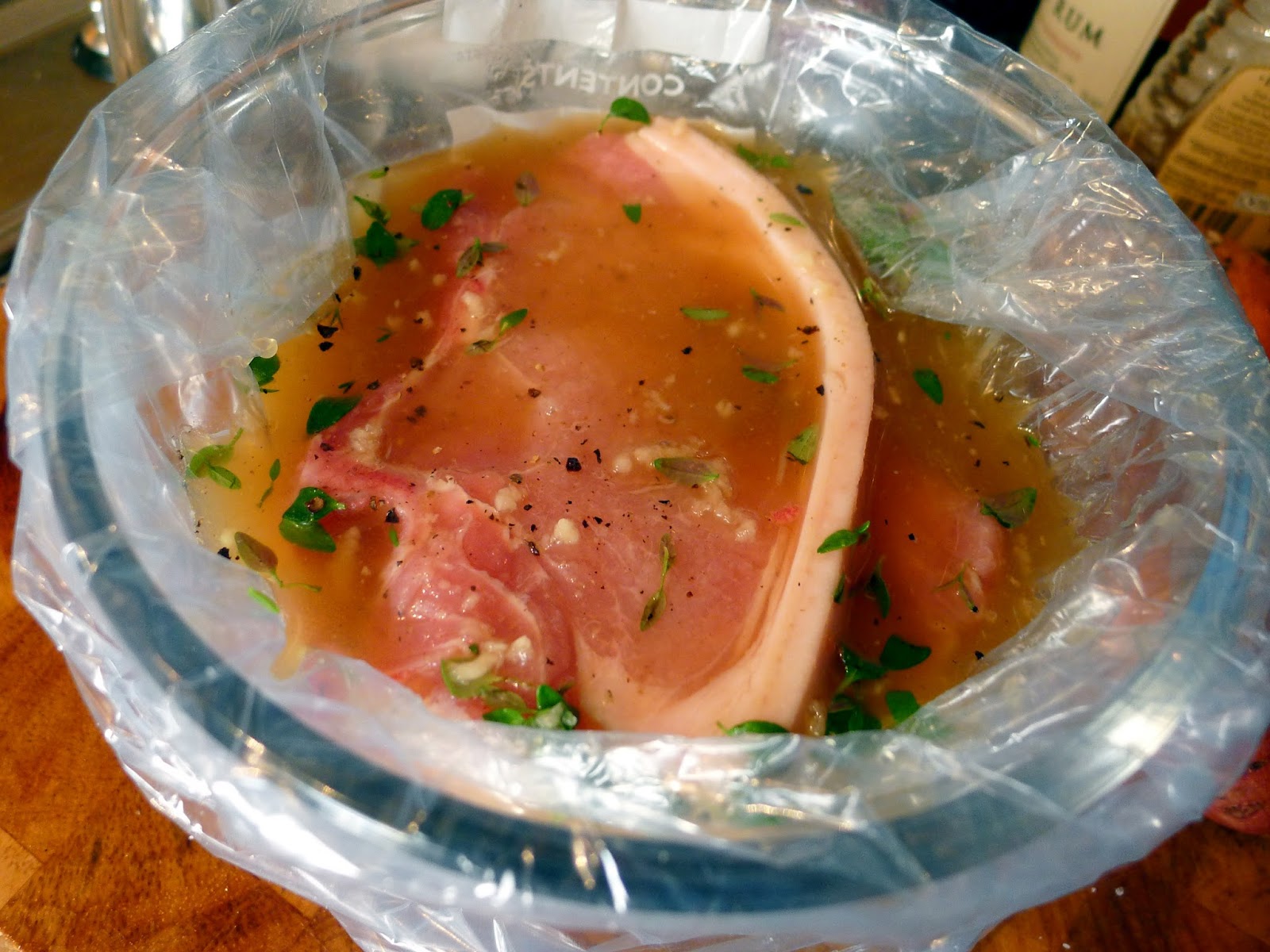
Mix all the ingredients, bar the chops (and sweet potato & leaves obviously), together in a plastic food bag or plastic box and then add the chops. Make sure they are thoroughly covered by the marinade and leave aside for at least 2 hours - or you can chill in the marinade overnight.

Heat the barbecue and shake any excess marinade off the chops.


Tip most of the marinade into a pan.


Bring to a boil and simmer until the mixture has thickened and is shiny. 


Barbecue the chops for 4-5 minutes on each side or until just cooked through, basting with a little extra marinade as it cooks.

Serve with the extra sauce to spoon over, baked sweet potato wedges and mixed leaves.


Read More »

Tuesday, 6 August 2013

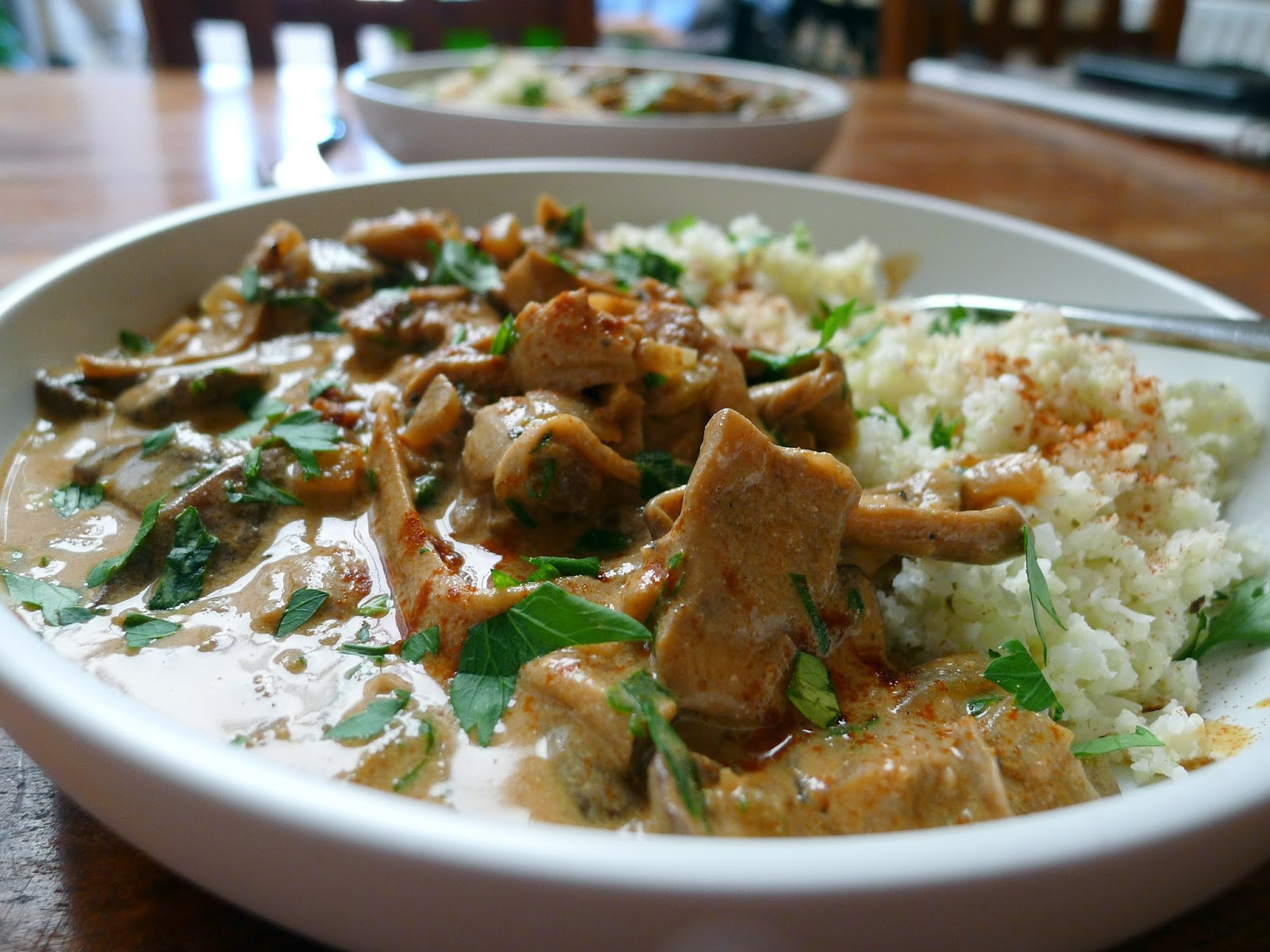
Mixed Mushroom Stroganoff


This is an adaptation of a BBC Good Food recipe with my spin on it to make it a good deal healthier - mainly as I am doing the 5:2 “diet” at the moment and this is something that is excellent for one of the fast days.

Of course, you don’t have to us Quark: feel free to be more authentic and use soured cream (“smetana”) in it’s place. I tried out making “cauliflower rice” here but again, feel free to have normal rice with it - a long grain / wild rice mix is particularly good, or even tagliatelle. 


If you do decide to go for cauliflower rice, just blitz about half a head in a food processor, bung it in a microwave-proof bowl, season with salt and lots of pepper and then microwave, covered, for about two minutes. That's it. And I have to say, I really like it.

I’ve been a bit woolly with mushroom & stock quantities - just adjust each to taste.


Mixed Mushroom Stroganoff
serves 2

10 sprays olive oil Frylight (or 1 tsp olive oil)
½ medium onion, finely chopped
1 tbsp paprika - 1 tsp smoked & 2 tsp Hungarian hot
2 garlic cloves, finely chopped
300-350g mixed mushrooms (I used shitake, oyster & chestnut), oysters torn the rest sliced thickly
150-200ml beef stock
1 tbsp Worcestershire sauce
3 tbsp Quark
freshly ground black pepper
small bunch parsley, leaves picked & roughly chopped


Heat the oil in a large non-stick frying pan and cook the onion on a lowish heat for 10 minutes until softened.

Add the garlic and cook for a minute or so more.

Turn the heat up and add the mushrooms and paprika. 


Cook for about 5 minutes, stirring often.


Pour in the stock and Worcestershire sauce. Bring to the boil, then reduce to a fairly fierce simmer and let bubble away for 5 mins or so until until the sauce has thickened.

Take off the heat (to ensure the quark or sour cream doesn’t split) then stir through the quark and most of the parsley.


Serve immediately with your choice of rice, pasta etc and sprinkle with a little extra parsley.


Read More »

Saturday, 3 August 2013

Sri Lankan Red Prawn Curry


I wanted prawns and I wanted curry but I wanted something different from those I’ve tried before (namely my own, and Laotian). Sri Lanka, being an island has a lot of seafood on its menus and I have very happy memories of an amazing few weeks spent there many years ago. The food was fantastic. 

So Sri Lankan prawn curry it was to be: I looked at lots and lots of recipes online and many referred to a using a curry powder. Readymade or not I presumed this referred to a Sri Lankan blend and was lucky enough to find a couple of masala recipes I could incorporate (including a recipe by Rick Stein albeit for a turkey curry!).

What all the curry recipes had in common was fenugreek, coconut milk and curry leaves - what differed was the use of “curry powder” or not, ditto lemongrass. I chose to make a curry powder, based on the couple of recipes I found online and also to add lemongrass. What I couldn’t add, which appeared to be mentioned in recipes I found written by first, second or third generation Sri Lankans, was pandan leaf.

A fair few recipes on blogs referred to Charmaine Solomon who is an Aussie cook it seems (and has a massive book on Asian cooking, with a large Sri Lankan section so I may be trying to track that down - but then I’ve also wanted Serendip for some time...), others to Madhur, many more their grandmothers.. this is inspired by them all.

By the way, “isso” is prawn I believe and I think “rathu” is red so the Sri Lankan name for this is, I believe, “Rathu Isso Curry”. 


Roasted Sri Lankan curry powder
Will make more than required but the remaining curry powder can be stored in a screw-top jar for up to three months and used in other recipes.

½ tbsp uncooked rice
2 tbsp coriander seeds
1 tbsp cumin seeds
1 tbsp fennel seeds
1½ inch piece cinnamon stick
¾ tsp fenugreek seeds
½ tsp black peppercorns
½ tsp black mustard seeds
½ tsp turmeric powder
¼ tsp cardamom seeds (from around 5 pods)
1½ dried red Kashmiri chillies


Heat a heavy-based frying pan over a medium heat, add the uncooked rice and cook for 2-3 minutes, shaking the pan regularly, until the rice is toasted and pale golden-brown. 


Transfer the toasted rice to a spice grinder and leave to cool.

Repeat the dry-frying process with the spices and then the chillies, tipping them all into a bowl and setting aside to cool.


When all the toasted spices, rice and chillies have cooled, grind them to a fine powder (in batches if necessary) in the spice grinder.


Sri Lankan Red Prawn Curry
serves 2

1 tbsp groundnut oil
1 tsp fenugreek seeds
½ tsp mustard seeds 
1 tsp ground cumin 
1½ cm piece of cinnamon stick
1 onion, finely chopped
3 cloves of garlic, finely chopped
small knob of ginger, finely chopped
1 tbsp Sri Lankan curry powder
1½ tsp Kashmiri chilli powder
1 tsp freshly cracked black pepper
½ tsp turmeric
1 stalk lemongrass, tough outer leaves and top third removed, cut in half and bruised
2-4 birdseye chillies, left whole but slit halfway up
10 curry leaves
1 scant tsp tamarind paste
200ml coconut milk
200-250g prawns
salt to taste
½ a lime, juiced
chopped coriander to garnish


Heat the oil in a medium heavy-based sauté or frying pan over a medium heat and add the mustard seeds, fenugreek seeds and cinnamon stick. When the mustard seeds start to pop, add the onions and continue to fry until the onion is softened & starting to turn golden brown at the edges.


Add the garlic & ginger and continue to cook and stir for another 2-3 minutes before adding the curry & chilli powders, turmeric, black pepper, lemon grass, curry leaves and the birdseye chillies.


Stir well and add 125ml water, cover with a lid and leave on a very low simmer for 15-20 minutes.


Mix in the tamarind paste and the coconut milk and continue to simmer on a low heat for another 10 mins.

Add the prawns and a little salt to taste (be careful though as some fresh prawns can naturally already be quite salty) and cook for about 5 minutes more until the prawns have turned pink and are cooked through. 


Turn off the heat as soon as the prawns are cooked. Stir through the lime juice and serve over plain basmati rice with some sprinkled chopped coriander.


Read More »

Thursday, 25 July 2013

Afghan Chicken Kebabs with Indian Style Salsa


We were back from Provence and the sun in the UK - it was a May-time miracle (UK readers will understand that up until very recently it seemed that summer had largely bypassed dear old Blighty) - was shining so we decided to have a BBQ.

I didn’t really fancy red meat: there had been quite a lot of that it felt like over the previous week so we opted for chicken and I decided to put a Southern Asian twist on proceedings with these kind of Afghan inspired kebabs (and themselves inspired by a post on The Cooking Ninja’s blog), an Indian style salsa, and, erm, potato salad.

The milk soaked cashews serve to keep the chunks of chicken moist and tender on the BBQ and the cardamom makes them headily perfumed, while the salsa gives a fresh, mildly spiced zing to proceedings. Of course in keeping with the Indian-style it would be more authentic to add cucumber to make a kachumber salad.. except that is I can’t stand the stuff.


Afghani Inspired Chicken Kebabs
serves 2


250 - 300 gms chicken breast, cut into chunks
1 heaped tsp ginger & garlic paste
2 tsp rice wine vinegar
2 tbsp cashew nuts
2 tbsp whole milk
1 tbsp Cheddar cheese, finely grated
8-10 cardamom pods
1 ½ tsp white peppercorns
1 tsp garam masala
1 egg, lightly beaten
1 tbsp whole milk

Mix the garlic & ginger paste with the rice wine vinegar and pour over the chicken pieces in a bowl. Set aside while you prepare the rest of the marinade.


Soak the cashews in 2 tbsp milk for about 15 minutes.

Meanwhile, grind the cardamom pods & peppercorns in a spice grinder until you have a powder, more or less. Discard the bits of cardamom pod that refuse to break down. Add the milk soaked cashews to the powder in the grinder and blend to a smooth paste.

Transfer the paste to a larger bowl and add the cheese, extra milk and about half of the beaten egg. Mix together loosely and add to the chicken.

Leave aside to marinate for at least an hour and while doing so, soak 4 bamboo skewers in warm water.

When you are ready to cook, preheat the BBQ and thread the chicken onto the skewers.

Cook on the BBQ for about 6 to 7 minutes on each side, basting with the remaining marinade and turning often. Make sure the meat is tender and cooked through.


Serve with the Indian style salsa (as below).


Indian-style Salsa

12 mixed colour baby plum and / or cherry tomatoes, finely chopped
4 spring onions, finely chopped
1 tbsp fresh coriander leaves, roughly chopped
2-3 small sprigs mint, finely chopped
1 medium red chilli, deseeded and finely chopped
¼ tsp garam masala
juice of 1 lime
1 tsp olive oil
sea salt & freshly ground black pepper


In a large bowl, toss together all the ingredients and season carefully with the salt and freshly ground black pepper.


Read More »

Wednesday, 24 July 2013

Wild Mushroom Spaghetti


I cooked this ages ago I think and for some reason can’t find my recipe notes: either I failed to make any (which seems unlikely as I obviously took photos) or I didn’t save the document properly when I wrote it up (or have accidentally deleted it). Although I do remember pretty much making it up as I went along: purely based on the fact that chanterelles had been on offer in Tesco.

My reasoning with the 2-step mushroom approach was that I didn’t want the spicy, fruity taste and aroma of the chanterelles to be masked by the creaminess of the chestnut mushroom sauce so instead sautéed them simply with butter, lemon and parsley.

Quantities given here are very much estimated: as I say this was pretty much a throw-together job so just use your judgement and add ingredients more or less to your own tastes.


Wild Mushroom Spaghetti
serves 2

olive oil
1 banana shallot, finely chopped
1 large clove of garlic, sliced
2 handfuls chestnut mushrooms, sliced
1-2 tsps fresh thyme leaves, picked
splash of white wine
2 tbsp crème fraîche
15g butter
2 handfuls chanterelles, larger ones torn into 2 or 3
small handful parsley, finely chopped
½ lemon, juiced
200g spaghetti


Heat a glug of olive oil in a sauté pan and add the chopped shallot. Fry fairly gently for 10 minutes or so until softened.

Add the garlic and cook for a couple of minutes more before adding the mushrooms and thyme.


Turn the heat up and cook for a few minutes more and when the mushrooms are nearly cooked add a splash of wine. Let the wine bubble up and then turn the heat back down to low.

In the meantime cook the spaghetti in a large pan of salted boiling water according to package instructions.

In a separate small frying pan heat the butter with a splash of oil and when it starts to foam throw in the chanterelles. Cook for a few minutes then stir through the chopped parsley and some lemon juice to taste (you want the lemon it to enhance the other flavours, not overpower).


The pasta should now be nearly ready so add the crème fraîche to the chestnut mushroom pan, stirring all together well for a couple of minutes.


Check the seasoning carefully, adding a little salt and plenty of freshly ground black pepper.

Add the drained spaghetti and a tablespoon of reserved cooking water (to loosen the sauce) to the crème fraîche and mushroom sauce.


Mix well and divide between two plates.

Top with the sautéed chanterelles and some shaved parmesan.


Read More »

Sunday, 21 July 2013

Tomato & Pea Curry with Lemon Coconut Rice


This is a very simple meal - based on recipes featured in Nigella’s Kitchen but with various amendments and additions - which packs a punch in terms of flavours, aromas and textures: tartness of tomato, sweetness of peas, bitterness from the methi leaves, and the creaminess of the rice.

Visually it also helps that it is vividly, prettily pleasing.

I used Piccolo cherry tomatoes which have an intense tart sweetness but most decent, ripe, cherry tomatoes will do. In fact, if for whatever reason cherry tomatoes are lacking, larger tomatoes chopped up will also do the trick: particularly if there is a garden glut at the end of the summer (wishful thinking?).

The methi (which I have discussed previously here) gives a unique flavour to the curry: you can play around with the quantities (indeed that stands with any of the spices really) or consider it completely optional and leave it out. I’m sure it will taste good regardless.

A quick note about salt: here the quantities are for sea salt flakes. If you use free flowing / table salt halve the quantity used.


Tomato & Pea Curry with Methi
Serves 2


2 tsp rapeseed oil
pinch of asafoetida
½ tsp yellow mustard seeds
½ tsp cumin seeds
1 large onion, peeled and chopped
½ tsp sea salt
2 cloves garlic, peeled and finely chopped
500g cherry tomatoes, halved
1 tsp turmeric
½ tsp english mustard powder
½ tsp hot chilli powder
½ tsp garam masala
1 tsp coriander powder
75ml water
120g frozen peas
1 tbsp methi (dried fenugreek leaves)
125ml milk


Heat the oil in a lidded wide casserole or sauté pan and when hot add the asafoetida, followed by the mustard seeds and then cumin.

When the mustard seeds start to pop, add the chopped onions, sprinkled with salt, and cook over a low to medium heat for at least 10 minutes, stirring frequently until the onions are golden brown.

Stir in the chopped garlic and cook for a further 5 minutes.


Add the halved tomatoes and remaining spices. Stir it all together before adding the water, putting the lid on and cooking over a low heat for 20 minutes.


Cook the peas in a separate pan of boiling salted water then drain and add to the tomato curry with the methi & milk for the last 5 minutes of cooking time with the lid off.


Serve with the lemon coconut rice (as below) and chopped coriander leaves scattered over.


Lemon Coconut Rice
Serves 2


1 ½ tsp garlic infused olive oil
2 spring onions (finely sliced)
1 tsp nigella seeds
3 curry leaves
150 grams basmati rice
200ml can light coconut milk
300ml freshly boiled water
½ teaspoon sea salt flakes
zest & juice of 1 lemon


Warm the oil in a saucepan that has a closely fitting lid and add the spring onions and nigella seeds. Cook for a minute or so, stirring.

Stir in the rice, making it sure it gets coated in the oil and that the spring onion and nigella are all evenly mixed in. Stir in the curry leaves.


Pour the coconut milk and boiling water in and add the salt.

Bring to a boil, then turn the heat down to very low. Place a piece of kitchen towel on top of the pan and then put the lid on so that the kitchen towel is forming a seal, and cook for 15 minutes.

Stir through the lemon zest and squeeze in the juice to taste, fluffing up the grains as you go. Divide between two plates or bowls and top with the curry, scattering chopped coriander over.


Read More »

Saturday, 20 July 2013

Provençal Braised Chicken & Fennel


This is actually a “5:2” recipe that I first saw at Lavender & Lovage, a blog focussed on French & English 
seasonal cooking. As it happens I didn’t have this on one of my fast days anyway, although I probably could with a little adaptation (as I tend to have lunch on fast days rather than one “big” evening meal so look for slightly less calories in my dinners).

The flavours of Provence are sun-kissed: look at any market there and you can pretty much see that yourself - garlic, onions, tomatoes and olives. The latter I decided to add to the recipe (alongside extra bacon of course) as I thought their flavour would sit well alongside the others. And olives, including the heavy use of olive oil as lipid, are pretty much used in all aspects of Provençal cuisine, having being introduced to the region by the ancient Greeks 2,500 years ago.

Anyway - it is very good, serve with rice if you like, or have, as we did, some nice crusty bread, toasted or not. And having not long ago come back from a holiday in Provence (half cycling around Cote du Rhone vineyards and half relaxing by the sea) I think I would strongly recommend a Chateauneuf de Pape Cassis Rose to go with this!


Provençal Chicken & Fennel Braise
serves 2

2 tsp olive oil
2 shallots, halved lengthways then sliced across
2 cloves garlic, finely chopped
1 fennel bulb, trimmed and cut into quarters (green fronds reserved)
2 rashers of bacon, cut into strips
2 skinless chicken breasts
1 tsp plain flour
150ml chicken stock
40g mixed olives, pitted & sliced
½ lemon, juice only
75ml dry white wine
¼ tsp dried thyme (or ½ tsp fresh thyme leaves)
2 tomatoes, roughly chopped
sea salt and freshly ground black pepper


Heat the oil in a large sauté pan (that has a lid) and add the shallots and fennel quarters. Fry for 5 minutes or so over a medium heat and then add the garlic for a few minutes more.


When the vegetables are coloured, remove with a slotted spoon and set to one side.

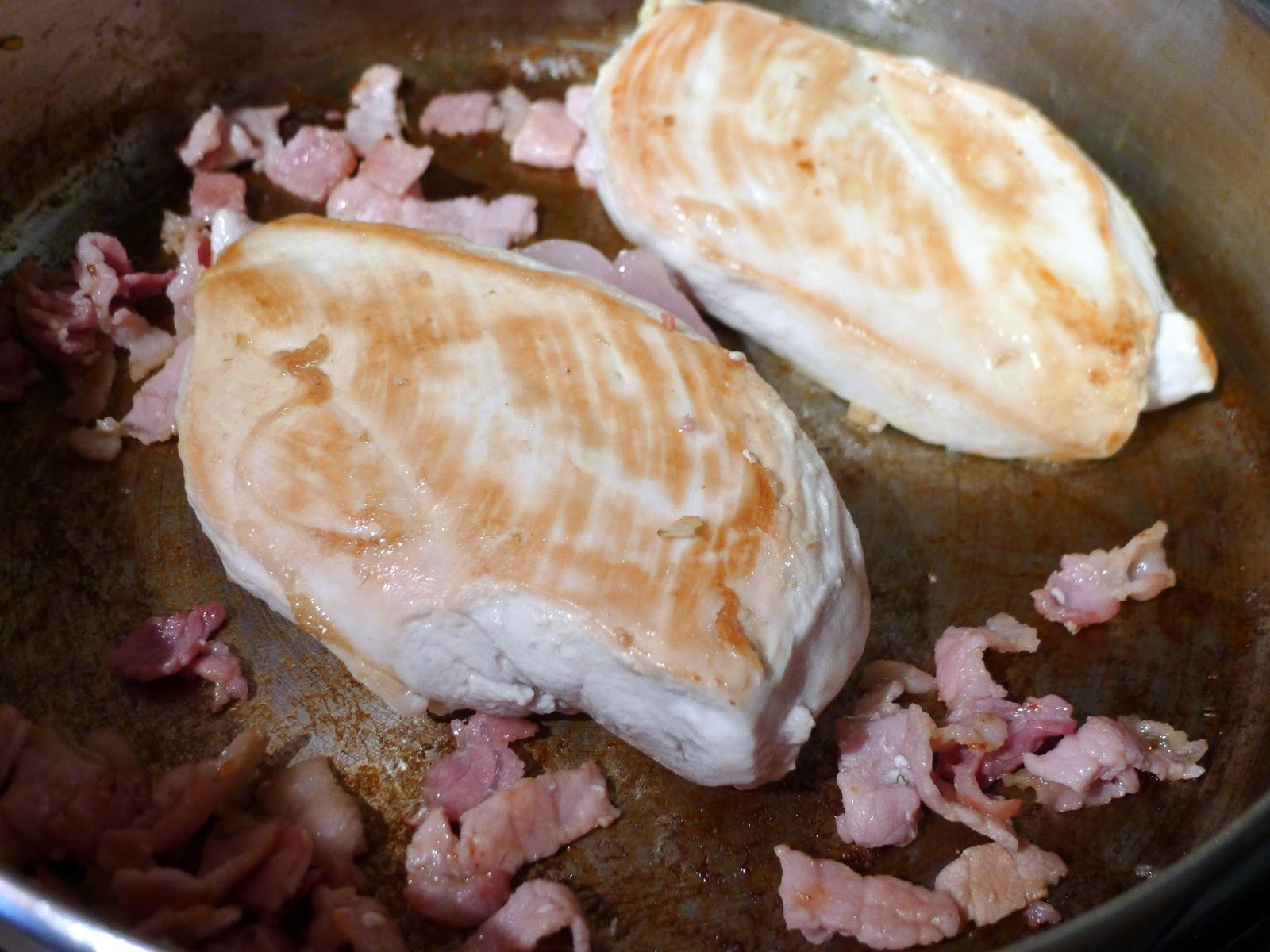
Add the chicken breasts and bacon to the pan and fry for 5 minutes, or until the bacon is crisping up and the chicken is golden. Turn the chicken over cook for 2 to 3 minutes more.


Sprinkle in the flour and stir into the oil well (scraping up any bits off the bottom of the pan while you’re at it) before adding the stock and white wine.

Return the shallots, garlic and fennel to the pan, add the chopped tomatoes and fresh thyme,  then pop the lid on and leave to simmer gently for 45 minutes.


Carefully adjust the seasoning with salt and pepper, and serve immediately with the reserved fennel fronds scattered over the top.


Read More »