Showing posts with label British. Show all posts

Monday, 24 October 2016

Spice Pork Belly & Chicory Gratin


As usual when I wanted a good hunk of meat I went to Ginger Pig in Borough Market. One of the other things that I like so much about them is that while they do not have a full range outside of main market days they are still open and there is still plenty of choice. On this occasion for instance I bought my slab of pork plus spicy Italian sausage to mix with minced beef for lasagne and chicken legs for fricasée.

The inspiration for the pork lies mainly with Niamh Shields of Eat Like A Girl while the chicory gratin was in an issue of Olive magazine.

Gratinating the chicory brings out a slight sweetness but they still retain their mildly bitter kick which works well with the cream and fattiness of the pork.

This was amazingly good - the pork was beautifully tender, juicy and flavourful while the crackling was the best I have had in, well, possibly ever. And as for the chicory, which uncooked I’m not a massive fan of usually, was sublime.


Spiced Roasted Pork Belly
serves 2


500g good pork belly, skin scored
50ml white wine
½ tbsp fennel seeds
½ tbsp sea salt
½ tbsp red pepper flakes
½ tsp chilli powder
½ lemon, zest only
1 clove garlic, chopped


Preheat oven to 150 degrees celsius.

Grind the spice rub ingredients fennel seeds through garlic to a fine paste in a pestle and mortar.


Put the pork in a colander or on a wire rack in the sink and pour over some boiling water to fluff up the skin a little. Blot well dry with kitchen paper.

Rub the spice mix all over the flesh, underside and sides, of the pork only. Not the skin.

Rub the skin with about ½ tablespoon olive oil and plenty of sea salt.


Add to a roasting tray just a little bigger than the meat, and pour in 50mls wine at the side. This will keep the end of the meat moist and will prevent it drying out (you can just use water if you like).

After two hours, the belly should be cooked through but still very moist.

Turn the heat up to 220C for 20 minutes or so, until the crackling is crisped up but not burned. If you prefer you can do this under the grill.


Rest for 10 minutes and serve in slices or chunks.


Chicory Gratin
serves 2


2 heads chicory, halved
butter
½ tsp soft light brown sugar
½ tbsp cider vinegar
75ml double cream
2 tbsp breadcrumbs
1 tbsp parmesan


Fry the chicory cut-side down in a large pan until they start to brown then sprinkle in the sugar, shake the pan and keep cooking as the butter and sugar further caramelise the chicory.

Add the cider vinegar and flip the chicory over.


Cook for 3-4 minutes then add a splash of water, pop a lid on and cook on a low heat for ten minutes until the chicory is tender.


You can either leave it in the pan if that can go under the grill or spoon into a gratin dish and then drizzle over the cream, sprinkle with breadcrumbs and parmesan.


Brown under a hot grill until the top is bubbling and golden.

Rest for 5 minutes.


Read More »

Thursday, 18 August 2016

No Churn Black Fig Ice Cream


This no churn ice cream really is as simple as it sound. There’s no need for an ice cream maker first off which is genius. Plus no egg to deal with, nothing to heat or fiddle around with, no straining. Just two ingredients: cream and sweetened condensed milk and whatever flavourings you like. 

And in that it is also as adaptable as you like. I used black figs as the step-boy’s mum had a harvest of deliciously plump ones from the tree in their back garden (being as this was early Autumn). I added vanilla extract and cinnamon for an added depth of complexity in flavour but otherwise you could just make this with 3 ingredients: cream, condensed milk, and figs.

But as I say, use whatever you fancy: coffee; alcohol-soaked dried fruits, mint choc-chip; crystallised ginger. The list really is endless but I’ve a mind, going with condensed milk as one of the main ingredients, to experiment with a tin once I’ve procured a pressure cooker and make a dulce de leche ice cream which I think would be amazing.


No Churn Black Fig Ice Cream
makes about 1500ml


600 ml double cream
405ml tin condensed milk
½ tsp ground cinnamon
½ tsp good quality vanilla extract
12 figs


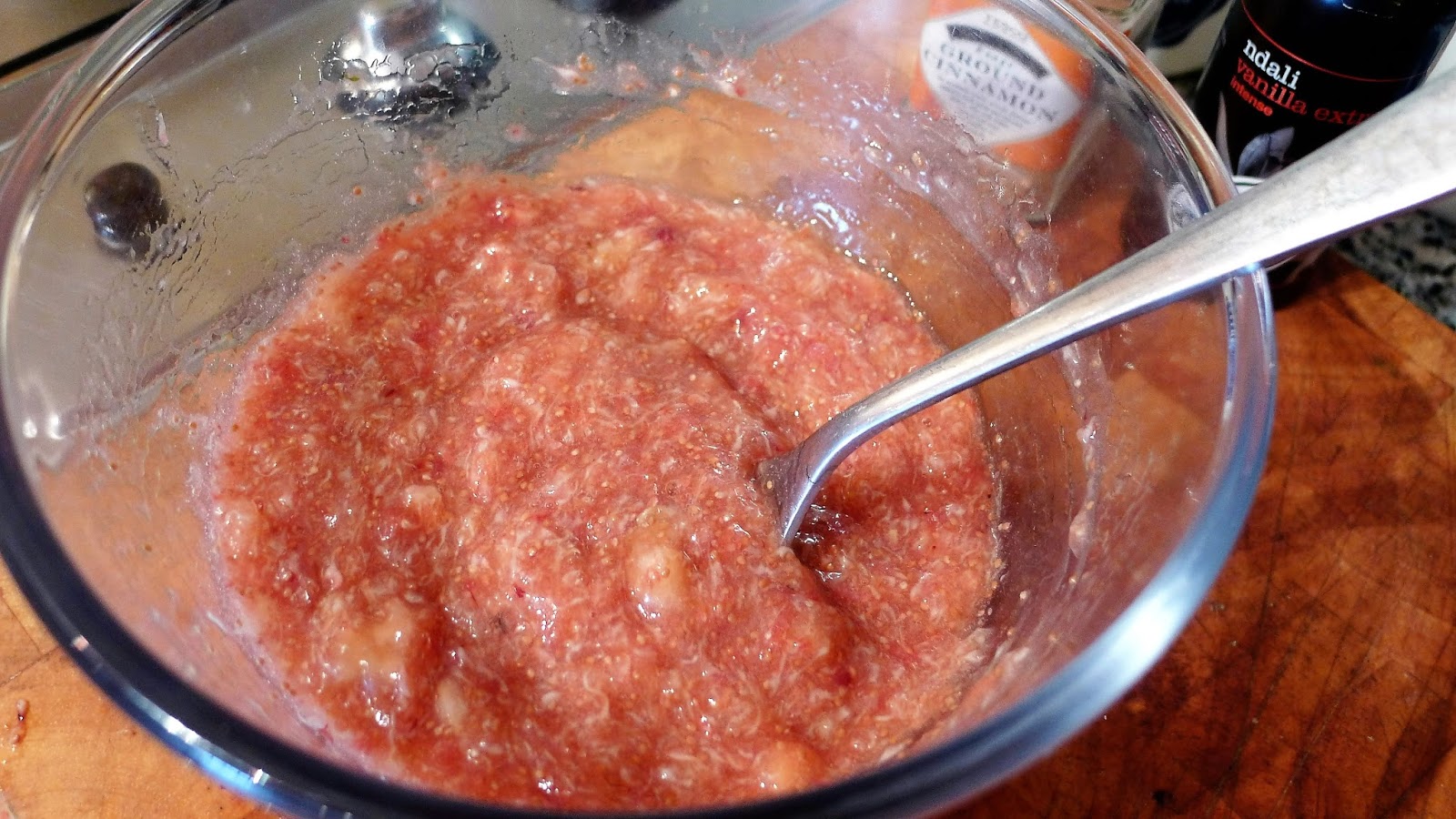
Halve the figs and scoop out the pulp into a bowl, breaking up with a fork.


Stir in the condensed milk, vanilla extract and cinnamon and mix well.


Whip the cream until you have soft peaks.


Whisk in the fig mixture until the whisk leaves trails in the bowl.


Fill an airtight container and freeze for 6 hours or overnight.


Let soften slightly before serving!


Read More »

Wednesday, 29 June 2016

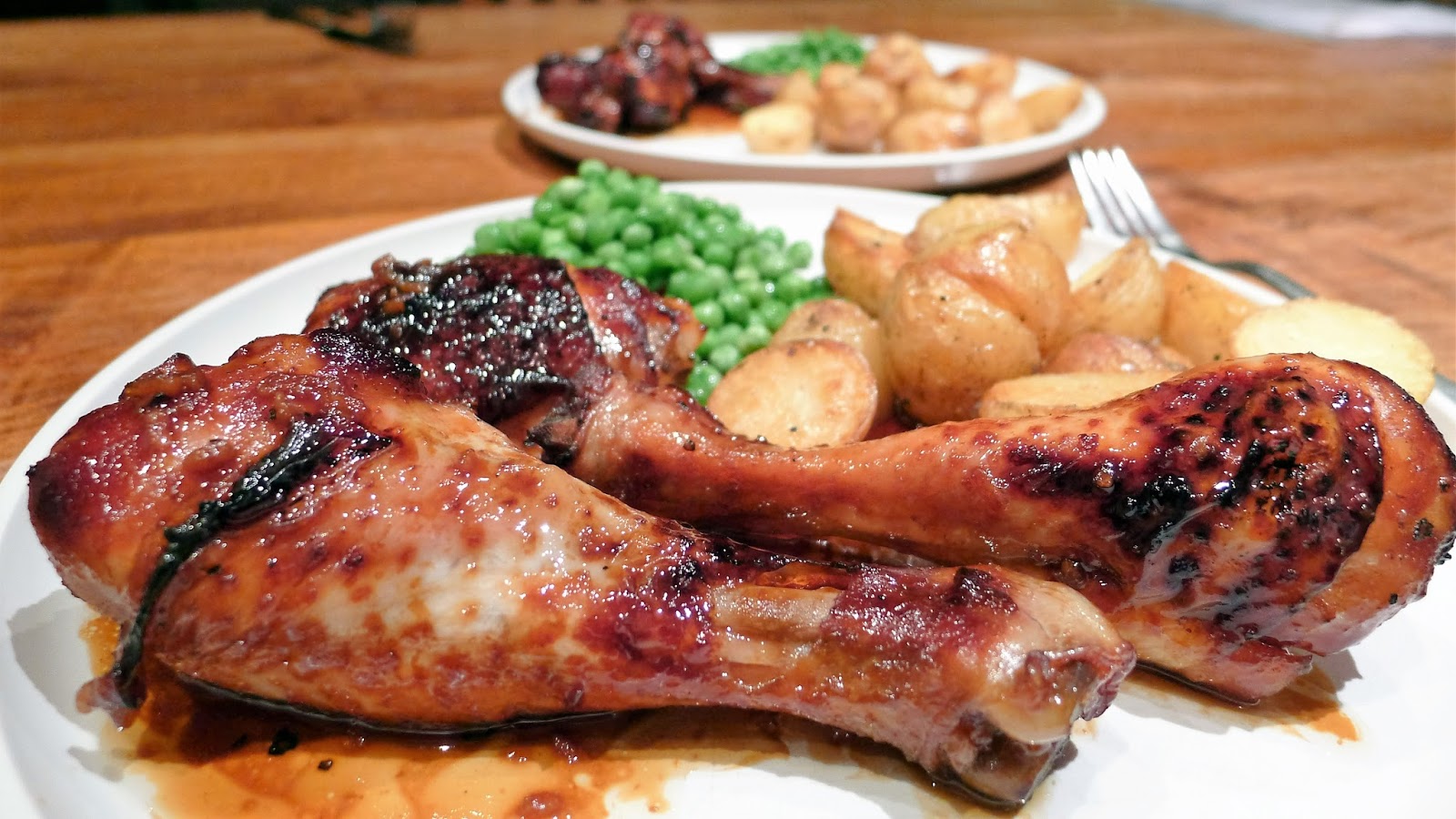
Honey Soy Chicken


Marinating some chicken pieces in this honey & soy marinade means that you get not only beautifully tender and flavoursome dark meat falling off the bone but you’ll also end up with the most amazingly delicious sauce for drizzling over when you serve. Make sure then to serve this with something that you can soak up some of those tasty juices with. I opted for roasted baby potatoes but you could just as easily go for some crusty bread or mash.

It would have been nice to garnish with a little chopped parsley but sadly I forgot to buy some.


Honey Soy Baked Chicken
Serves 2


1 tbsp olive oil
½ tbsp toasted sesame oil
2 tbsp honey
2 tbsp light soy sauce
2 garlic cloves, crushed
¼ tsp ground ginger
¼ tsp freshly ground black pepper
4 bone-in chicken pieces with skin (I used 2 drumsticks and 2 thighs), about 500g
sea salt
parsley, chopped


Mix the first 7 ingredients together in a large plastic freezer bag and then the chicken pieces making sure to coat each piece in the marinade. Leave to marinade for a good couple of hours (or overnight in the fridge).

When ready to cook tip the chicken and marinade into a baking dish and bake in a preheated oven for 25 minutes with the thighs skin side up.


Turn the drumsticks and flip the thighs skin side down and cook for another 10 minutes. Then turn the drumsticks and flip the thighs again so they are skin side up again and finish cooking for another 10-15 minutes to crisp up the skin.


Make sure the chicken is cooked through and serve with some roasted baby potatoes and a green vegetable or salad.


Read More »

Wednesday, 10 June 2015

Smoked Salmon & Sunblush Tomato Quiche


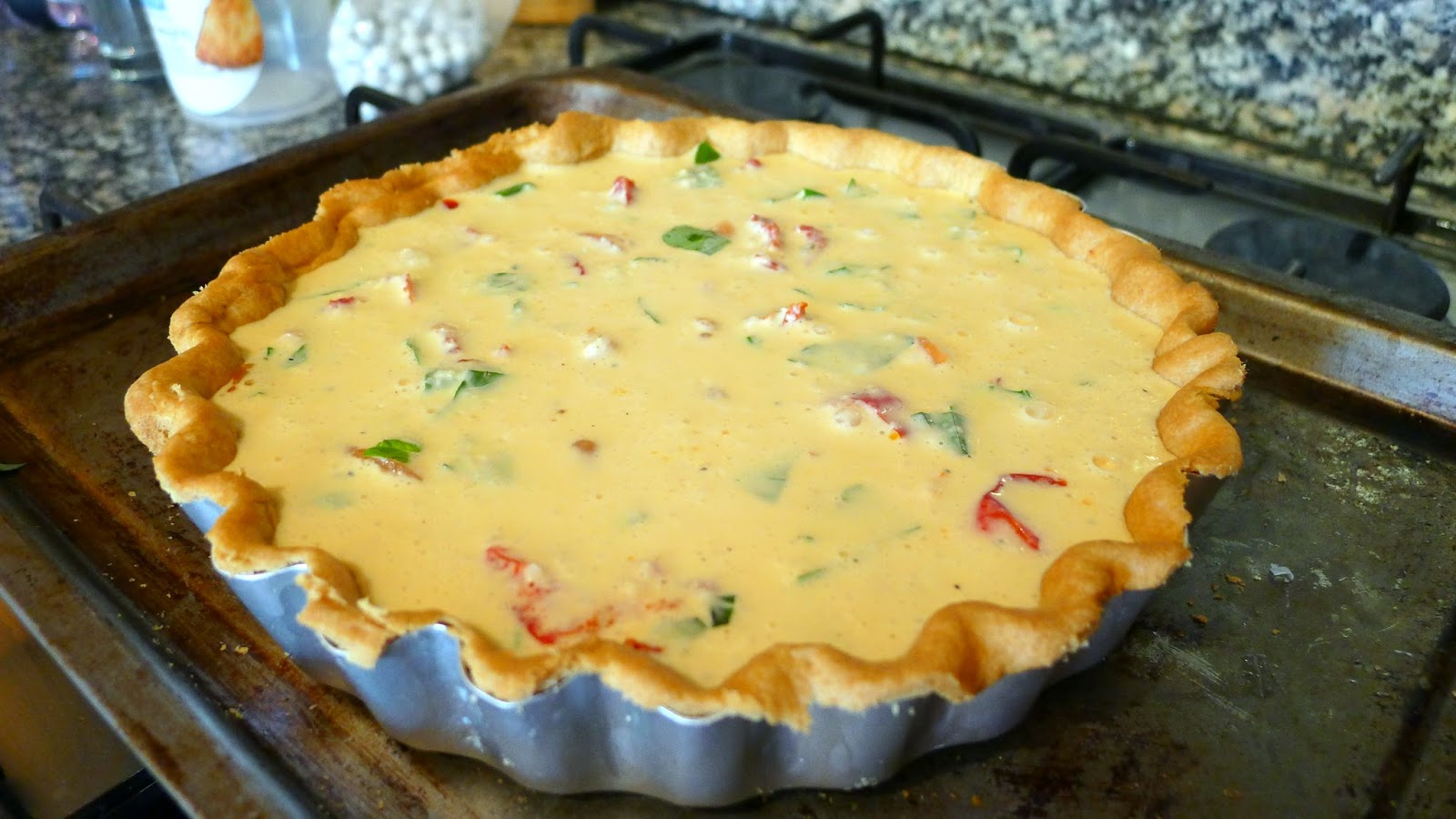
Having had a fairly successful attempt at Quiche Lorraine I armed myself with a new quiche tin and tried another. The inspiration for this was, I think, found here where the photos are beautiful and make me want to buy a new camera and lighting set up. Oh well, I can but dream: new babies kind of put paid to that sort of thing.

This is pretty good but remember that smoked salmon is pretty salty so don’t be tempted to season the filling with anything other than black pepper and nutmeg. I used sunblush tomatoes; those semi-dried ones that are stored in oil that you find on deli counters but you can use normal dried sun-dried tomatoes with no bother. I’d actually quite like to try this again with plain poached salmon in lieu of the smoked as I think it would be really good.


Quiche with Smoked Salmon & Sunblush Tomatoes
serves 4


ready-made shortcrust pastry, chilled
2 eggs + 1 yolk, beaten
100ml double cream
2 tbsp quark (or creme fraiche)
pinch of black pepper
pinch of ground nutmeg
150g smoked salmon, sliced into small strips
60g sunblush tomatoes in oil, wiped of oil & finely chopped
50g parmesan, freshly grated
pinch of cayenne
a few fresh basil leaves, roughly chopped

Roll out the pastry to the thickness of a 20p piece and line a nine inch quiche or loose bottomed tart tin. Leave the pastry overhang as it is and chill for 20 minutes.

Preheat the oven to 190C.

Take the pastry tin out of the fridge and line with baking paper. Fill with baking beans (if you don’t have any dried chickpeas or beans will work just as well) and “bake blind” for 15 minutes.

Remove the beans and baking paper and brush lightly with a little beaten egg (or spray with commercial egg glaze) before returning to the oven for 5 minutes. The egg glaze will help form a moisture-proof seal.

Reduce the oven temperature to 175C and carefully trim off the excess pastry with a sharp knife.

Beat together the eggs, milk, creme fraiche, pepper and nutmeg. Stir in all but 1 tbsp of the grated Parmesan.

Evenly distribute the salmon and tomatoes over the quiche crust and scatter the basil on top.


 Pour over the egg mixture.


Bake for 30 minutes the sprinkle the reserved cheese & cayenne on top and continue baking until top is golden and middle is just set.


Remove from the oven and let cool for 10 minutes before removing from pan to come down to room temperature. If you use a loose-bottom tin the easiest way to remove the quiche from the tin is to place it on an upturned jar, which will allow you to ease the sides away.

Using a palette knife or a fish slice, slide it underneath and ease the tart carefully on to a plate or board, ready to serve.


Read More »

Wednesday, 14 January 2015

Penne with Brussels Sprouts, Pancetta & Chilli


A bit of a departure here from my usual posting habits, in that I'm actually posting this pretty close to the cooking and eating thereof. It's the use of sprouts you see: a lot of the recipes I post you can get the ingredients year round whereas you really only see sprouts in great numbers around Christmas.

And so here I was, looking for a recipe to use up one of the last of our Christmas provisions (I knew what I was going to do with chestnuts): a half bag of Brussels sprouts and came across this one in the NY Times online, which I have slightly adapted.

As luck would have it I cooked my sprouts with a little pancetta (as well as the aforementioned chestnuts) on Christmas Day so had everything I needed for this. Which in my book makes it a fridge & store cupboard meal which is always a bonus.

You can thinly slice sprouts using a mandolin but as you don’t need them evenly done it is probably easier to just trim and thinly slice with a sharp knife: maybe recruiting some help for this part of the prep.

I used just shy of a whole, generic chilli that you get in the supermarkets but next time I would probably use a bit more.

I must admit I really didn’t have particularly high expectations of this but it certainly exceeded them: it is extremely and surprisingly good and I may even buy sprouts especially for it rather than just reserving it for the post-Christmas period.


Penne with Brussels Sprouts, Pancetta & Chilli
serves 2


sea salt & freshly ground black pepper
200g penne (I used wholewheat)
2 tbsp extra virgin olive oil
115g pancetta, diced
1 large rosemary sprig
2 garlic cloves, crushed
1 chilli, thinly sliced
200g brussels sprouts, thinly sliced
10g butter
½ lemon, juiced
Parmesan cheese, to serve


Bring a large pan of heavily salted water to a boil then add the penne and cook until it is just al dente.

Meanwhile, heat large sauté or frying pan over a medium-high heat and add the olive oil. When it is hot, add the pancetta and rosemary, and sauté until the fat on the pancetta starts to turn lightly brown - a minute or so.

Add the garlic, chilli and a hefty grind of black pepper and sauté until the pancetta turns richly brown, about 3 minutes.


Add the Brussels sprouts, a large pinch of salt and a splash of water to pan, and sauté until the sprouts just start to soften, about 2 minutes. Spread the sprouts mixture over the pan, pressing down to flatten. Let it sear for a minute, then stir it up and repeat so the sprouts are lightly browned in places.


Remove the rosemary sprig then add the butter, and sauté for another minute. Stir through the lemon juice.


Drain the penne, reserving a little water, and add to pan with the sprouts and pancetta mixture. Stir, tossing with a couple of tablespoons of the cooking water, until everything is well mixed. Spoon into pasta bowls and top with a little grated parmesan.


Read More »

Wednesday, 3 September 2014

Sirloin Steak with White Bean & Leek Mash


A very simple Nigella recipe this, originally published in Nigella Express apparently but as I don’t have that particular book I must have taken it from her website.

Anyway it is super quick and as such an excellent mid-week supper.

You’ll need quite thinly cut sirloin steaks for this, as they are flash-fried for all 4 minutes in total, so visiting a decent butcher is probably a good idea.

I’ve used butter beans for the mash but any white bean, such as cannellini, will work. I also added some leek to the mash as I thought it would be interesting and also bulk it out a little with a bit more veg content to boot as well as some yoghurt to make it a bit creamier. Both worked well but you can omit it if you like.


Sirloin Steak with White Bean & Leek Mash
serves 2


2 tbsp olive oil (plus 1 tsp)
1 clove garlic, crushed
grated zest and juice of ½ lemon
600g butter beans (about 1 ½ tins), drained and rinsed
4-6 baby leeks, washed and finely sliced
a few sprigs of fresh thyme, leaves picked
2 tbsp fat free Greek yoghurt
2 thinnish cut sirloin steaks (about 150g each)
sea salt & freshly ground pepper


Put 2 tbsps olive oil in a saucepan, and mix in the garlic, thyme, lemon zest and chopped leeks.

Sweat over a low heat for 20 minutes until the leeks are softened but not coloured.

Add the beans & yoghurt and a good splash of water turn down the heat to very low.


Heat gently: stirring and squishing the beans with a wooden spoon to make a lumpy mash. Season carefully to taste.


Meanwhile season the steaks well on both sides with salt and black pepper. Heat a teaspoon of oil in a large frying pan and cook the steaks on high for a minute and a half - two minutes a side. Remove to warmed plates and rest for 5 minutes.

Squeeze the lemon juice into the hot pan and let it bubble up with the meaty oil.

Divide the creamy bean mash between two plates and place the steak alongside drizzling over the lemony meaty juices.


Read More »

Monday, 21 April 2014

Asparagus, Mint & Lemon Risotto


This is pretty much a Jamie Oliver recipe really - you can find the original here: I think my only real adaptation was to add the fried prosciutto as a garnish, the salty savouriness worked pretty well.

Jamie’s idea of finely slicing the risotto lengths into little discs and keeping the tips whole is a good one: it gives a really good asparagus flavour to the risotto itself and of course you will get a delicious whole tip in (nearly) every bite.

Anyway, this is one of my favourite risotto recipes so give it a try.


Asparagus, Mint & Lemon Risotto
Serves 2


For the risotto base
250ml vegetable stock
½ tbsp olive oil
1 shallot, peeled and finely chopped
1 stick celery, trimmed and finely chopped
150 g risotto rice
65 ml vermouth
For the risotto
100g asparagus, finely chopped up until the tips
250 ml vegetable stock
12.5g butter
1 small handful Parmesan cheese, freshly grated, plus a block for grating
handful fresh mint, leaves picked and finely chopped
zest and juice of 1/2 lemon
sea salt
freshly ground black pepper
extra virgin olive oil
2 slices of prosciutto, lightly fried, to serve

Bring the stock to a low simmer in a small saucepan.

In a separate large pan cook the shallot and celery very gently until soft but not coloured in the olive oil. About 15 minutes.

Add the rice and turn up the heat. Stir constantly for a couple of minutes so that the rice or vegetables don’t catch and then quickly pour in the vermouth. Keep stirring until the vermouth has evaporated.

Turn the heat down to medium-low (as you cook you will need to adjust this as necessary: you don’t want the rice to cook too quickly so that it has a stodgy outside but uncooked middle, nor too slowly or it will become a stodgy but gloopy mess).

Add a ladleful of stock to the rice. Stir often (but you don’t need to be a slave to it) until the liquid has been fully absorbed before adding the next ladleful.

Continue to add ladlefuls of stock until it has all be absorbed and the rice has begun to soften but is still al dente. This can be anywhere from 15-30 minutes so towards the end of the cooking time you’ll need to be a bit vigilant. You may also need some more stock.

Put a large saucepan on a medium to high heat and pour in half the stock, the risotto base and the finely sliced asparagus stalks and the tips.

Stir constantly and gently bring to the boil, then turn the heat down and simmer until almost all the stock has been absorbed.

Add the rest of the stock a ladleful at a time until the rice and asparagus are cooked. Check the rice often - you don’t want to overcook it so it should hold its shape but be soft and creamy and the whole kind of oozy.

Turn off the heat and quickly stir in the butter, Parmesan, mint, lemon juice and most of the lemon zest. Check the seasoning carefully and adjust if necessary.

Put a lid on the pan and leave the risotto to rest for a few minutes. Meanwhile you can quickly fry off the prosciutto.

Serve the risotto in bowls with a slice of fried Prosciutto atop each, drizzle over a little olive oil and scatter with the remaining lemon zest.

Have some more Parmesan on the table so you can add more if you like.


Read More »

Sunday, 16 March 2014

Slow Roast Lamb, Spiced Cauliflower & Creamy Potato Gratin


I’ve mentioned before the half lambs purchased from bf’s boss, well we were onto half lamb number 2 and at this point all we had left was shoulder. As the bf’s offspring was with us for the weekend it seemed a good time as any to have it. Well, that and the fact that for once we actually remembered to take the lamb out of the oven to defrost ready for use for a Sunday lunch feast.

Slow-cooking is the only way to go really with shoulder: which means that I can get it ready, bung it in and then get on with prepping and worrying about the rest. One thing to worry about with anything slow cooked and ergo at a low temperature is that choosing sides to accompany is a bit of a pain in the arse. Unless you have a double oven (one day, one day..) you are stuck at the one temperature for the duration of the roasting: roast potatoes for instance are out as they need a high temperature for at least 45 minutes.

So I decided on a couple of things that could be semi-cooked at a reasonably low temp, or on the hob and then blasted for 15 minutes at a higher temperature while the lamb was rested and subsequently shredded and the gravy / sauce made.

My advice here therefore is to get the lamb in and then a couple of hours later prep the ingredients for the cauliflower, gratin and sauce.

Half an hour before the lamb is due to come out (so about 3.5 hours in) get the potato slice, milk, cream combo going on the hob and chuck the cauliflower in the oven. Keep an eye on the latter and take out again once it starts to brown.

When the lamb comes out, whack the oven temperature back up to 240C, tip the potato mixture into a dish and grate over the cheese, dot with butter and put that on the top shelf with the cauliflower on the bottom. Get on with sauce and then shred the lamb. 15 minutes later everything should have come together beautifully.


Slow Roasted Lamb
2.5 kg shoulder of lamb
2 onions, sliced thickly
3-4 carrots, halved lengthways
4 -6 large sprigs rosemary
4-6 large springs of mint
1 bulb of garlic, broken into cloves (unpeeled)
olive oil
za’atar
sea salt & freshly ground black pepper
200ml white wine
200ml chicken or vegetable stock


Preheat the oven at its highest temperature (usually about 250C).

Lay the onion slices over the bottom of a high sided roasting tin then lay half of the garlic cloves on top along with half of the rosemary and half of the mint.


Score the skin side of the lamb by using diagonal cuts about 1-2 cms apart, no deeper than about an inch.

Rub all over with oil and za'atar and a generous amount of salt and black pepper. Place skin side up on top of the garlic and herbs and then add the rest of the herbs and garlic on top of the lamb.


Tip in the wine and stock and tuck the carrots alongside the lamb.

Cover as tightly as possible with foil then place in oven and turn down to 150C/340F.

Roast for four hours by which time the lamb should be very tender and falling off the bone.

Remove the lamb and carrots to a plate, set aside on top of a wooden chopping board and cover tightly with foil and a tea towel on top of that. Leave to rest for 15 minutes before shredding or pulling the meat off in chunks.


Piquant Gravy 

½ tbsp flour
the liquid from the lamb roasting tin
1 heaped tbsp capers, soaked, drained and finely chopped
½ large bunch fresh mint, leaves picked, finely chopped
1 tbsp red wine vinegar

Discard any bits of rosemary & mint stalk from the tray. Pick out the garlic cloves and about half of the onion and set aside.

Tip the liquid into a measuring jug, let it settle and then spoon off and discard most of the fat from the top. Spoon 1-2 tbsp of the fat back into the roasting tin.

Using a stick blender whizz up the contents of the jug very carefully.

Put the roasting tin on the hob over a medium heat and mix in the flour, scraping up any stuck on bits from the bottom as you go. Add about ⅔ of the cooking liquid from the jug, stirring all the time.

Leave to simmer for a couple of minutes before adding the capers, turn the heat down and simmer for a few minutes more.

Just before serving add the mint & red wine vinegar to the sauce, give it a stir and pour into a jug.


Spiced Cauliflower
I’d bought a little selection pack of Halen Mon salts when we were in Wales (and on Anglesey specifically) earlier this year but if you’re not lucky enough to have any at your disposal use some spices such as cumin & turmeric as well as some smoked or normal Maldon sea salt.

1 small/medium cauliflower, broken into small florets
Halen Mon sea salt with spices
Halen Mon sea salt smoked over Welsh Oak
freshly ground black pepper
olive oil spray


Preheat the oven to 240C and line a baking tray with baking paper.

Place the florets on the baking tray and spray with olive oil a few times, toss the tray around a little and spray again.

Sprinkle over the sea salts and freshly ground black pepper and toss around again so that the florets are evenly coated in oil and spices.

Shake the tray so the florets are in as evenly a single layer as possible then place in the oven and bake for 30-40 minutes, turning the tray every now and again (NB see note at top).


Creamy Cheesy Potato Gratin
Serves: 3-4


1 kg potatoes, peeled and cut into slices 1 cm thick
250ml full fat milk
250ml double cream
1 small banana shallot, peeled and halved
1 clove garlic, minced
1 tsp sea salt flakes
25g unsalted butter
50-60g jarlsberg cheese, grated


Preheat the oven to 240°C.

Put the potato slices into a large saucepan with the milk, cream, onion, minced garlic and salt.


Bring to the boil and cook at a robust simmer until the potato slices are tender but not dissolving into mush (this is a fairly tough call to be fair!). Discard the shallot.

Use a little of the butter to grease a medium sized tin or lasagne dish and then pour the milk, cream & potato mixture into it.

Sprinkle over the grated cheese then dot with the remaining butter.


Cook in the oven for 15 minutes or until the potato is bubbly and browned on top. Remove and let stand for 5 minutes or so before serving.


Finally, serve everything up on to the middle of your dining table and let everyone serve themselves!


Read More »